Gnome Christmas Card Designs: A Designer’s Review
When I sit down to evaluate a new machine embroidery design, I am rarely looking for just something "cute." As a designer who frequently bridges the gap between digital assets and physical products, I am looking for viability. I need to know if a file will stitch cleanly, if it translates well to various fabrics, and most importantly, if it adds tangible value to a handmade product. Today, I am putting Gnome Christmas Card Designs under that same microscope. These files are marketed as versatile assets suitable for holidays, birthdays, and Valentine’s Day, but does that versatility hold up when you actually load them into your hoop?
The First Impression: Mood and Visual Personality
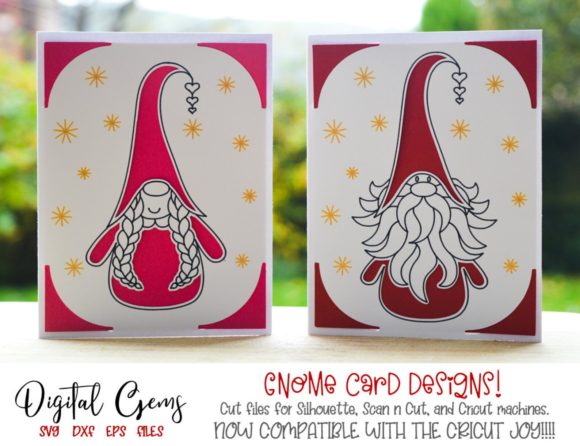
The immediate takeaway from Gnome Christmas Card Designs is a sense of whimsical charm that feels distinctly cozy. The visual personality here leans heavily into the "Mr and Mrs" trope, which is a proven winner in the craft business space. Unlike generic holiday motifs that can feel cluttered or overly busy, these designs tend to offer a cleaner silhouette. This clarity is crucial because it allows the stitch density to breathe.
In terms of layout, the pairing of two gnome figures suggests a natural balance. For an embroiderer, this symmetry often translates to easier stabilization and more predictable stitching behavior. The mood created is one of warmth and approachability. It is not aggressive or loud; rather, it invites the viewer in. This makes it an excellent candidate for personalized gift items where emotional connection drives the purchase decision. Whether you are creating a custom apparel piece or a small boutique item, the design carries a narrative of companionship and seasonal joy without feeling dated.
Real-World Application: From Hoop to Hand
Let us move past the screen and talk about how Gnome Christmas Card Designs performs on actual materials. I recently considered using this design for a batch of custom aprons intended for a local holiday craft fair. Here is how I broke down the practicality of the project.
- Tote Bag Design: One of the strongest use cases for this design is on canvas tote bags. The sturdy fabric handles the weight of fill stitches well. When paired with a high-contrast thread color, the gnome details pop, making it an ideal Etsy seller listing. The design’s scale usually fits perfectly within standard 5x7 or 6x10 hoops, allowing for efficient production runs.
- Sweatshirt Embroidery: For colder months, applying this to fleece-backed hoodies is a natural fit. However, caution is required. The plush texture of sweatshirts can sometimes obscure fine details. If the gnome’s facial features rely on tiny satin stitches, they might get lost in the fuzz. In such cases, simplifying the detail or using a slightly larger hoop size ensures the character remains recognizable.
- Baby Embroidery: There is a growing market for nursery decor and baby gifts. Using this design on muslin blankets or cotton onesies requires a lighter touch. You must ensure the stabilizer chosen is appropriate so the fabric does pucker. The soft theme of gnomes pairs beautifully with pastel thread colors, creating a gentle aesthetic that parents love.
- Embroidered Patch: For those selling accessories, converting this into an embroidered patch is a smart move. Patches allow the design to be applied to denim jackets, backpacks, or hats where direct embroidery might be too restrictive. This expands the utility of the digital embroidery file significantly.
Where to Exercise Caution
No design is universally perfect, and Gnome Christmas Card Designs has specific contexts where it may struggle. Understanding these limitations is what separates a professional from an amateur.
First, avoid using this design on highly textured or stretchy fabrics unless you have significant experience. Materials like chunky knits or thin jersey can distort the shape of the gnome, leading to misaligned elements. Similarly, dark fabrics require careful thread selection. If the design relies on subtle shading, it may disappear against a black background. Always test your thread colors against the final fabric choice.
Another area of concern is small hoop sizes. If you attempt to reduce this design to fit a 4x4 hoop, you risk losing critical details. Satin stitches may become jagged, and fill areas might show through the fabric if the density is too high for the reduced scale. Furthermore, curved surfaces like baseball caps can be tricky. While possible, the curvature may cause the flat design to look distorted unless you use a cap frame and adjust the placement carefully.
Technical Considerations for Stitch Clarity
When evaluating the technical execution, pay close attention to the transition between different stitch types. A good graphics asset will blend running stitches for outlines with satin stitches for edges smoothly. If the design has dense corner areas, check for potential needle strikes or thread breaks. Additionally, inspect the design in black and white mode during your pre-stitch review. This helps identify contrast issues that might not be obvious in full color, ensuring that the visual appeal remains intact regardless of the thread palette you choose.
Impact on Brand Consistency and Customer Trust
For small shop owners and commercial embroidery professionals, consistency is key. Using a cohesive design like Gnome Christmas Card Designs across multiple products—such as matching tea towels and pillow covers—creates a strong brand identity. Customers trust brands that present a unified aesthetic. When a buyer sees a professionally stitched gnome on a kitchen towel and then recognizes the same character on a holiday card insert, it reinforces the quality and thoughtfulness of your finished product.
This recognition factor also boosts buyer engagement. A design that tells a story, such as a couple of gnomes sharing a moment, encourages social media sharing. People love to photograph cute, handmade items. By choosing a design with clear visual storytelling, you are essentially giving your customers free marketing material. The printable mockup potential of this design is high, allowing you to showcase the product in lifestyle settings before you even cut the first piece of fabric.
Practical Designer Notes Before You Stitch
Before committing to a large production run or listing this as a small shop product, follow these essential steps:
- Test on Scrap Fabric: Never skip this step. Use the exact fabric and stabilizer combination you plan to use for the final product. This reveals puckering, tension issues, or color clashes early.
- Check Licensing: Ensure you have the right to sell finished items made from this machine embroidery design. Commercial licenses vary, and understanding the terms protects your craft business from legal issues.
- Review Stitch Density: High density can make a garment stiff and uncomfortable. If the design feels too heavy, consider reducing the density or using a tear-away stabilizer to minimize bulk.
- Inspect Small Details: Zoom in on the gnome’s hat brim or button details. Are they too small to stitch reliably? If so, you may need to manually edit the embroidery file to simplify these areas.
- Compare Backgrounds: Test the design on both light and dark backgrounds. A thread color that looks vibrant on white might vanish on navy blue. Adjust your palette accordingly to maintain brand consistency.
In conclusion, Gnome Christmas Card Designs offers a solid foundation for a wide range of embroidery projects. Its charming aesthetic and versatile nature make it a valuable addition to any designer’s library. By paying attention to fabric choices, stitch quality, and licensing, you can transform this digital asset into a profitable and beloved physical product. Whether you are crafting a personalized gift for a friend or building a robust inventory for your online store, this design provides the visual warmth and professional polish that modern buyers expect.