Plaid Pumpkin SVG Review
As a designer who spends half my life staring at stitch density charts and the other half trying to convince clients that embroidery isn’t just for monograms, I approach every new Illustrations category file with a healthy dose of skepticism. The market is flooded with generic clip art disguised as embroidery files. However, when I pulled up the Plaid Pumpkin SVG, I immediately recognized it as something with genuine commercial potential. It sits right at that sweet spot between seasonal trendiness and timeless cottage-core aesthetics that drives sales on platforms like Etsy.
This review isn’t about whether the file works in your machine—that’s a technical variable depending on your specific setup—but rather whether this design actually holds up in the real world of handmade commerce. Can it survive the scrutiny of a boutique customer? Does it translate well from screen to fabric? Let’s dig into the practicalities of using this machine embroidery design for your next project.
The First Impression: Mood and Visual Personality
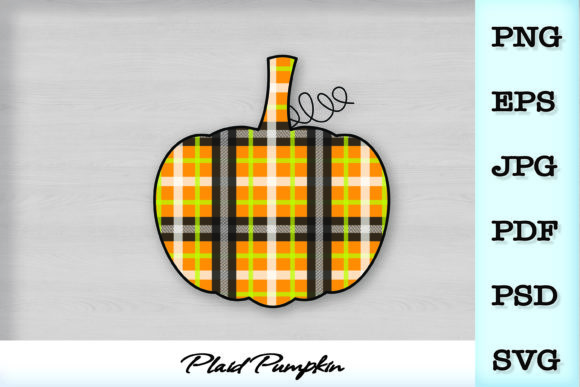
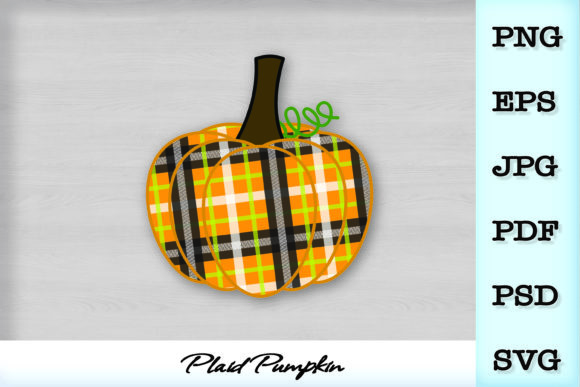
The moment you load the Plaid Pumpkin SVG, the mood is established instantly. It evokes warmth, nostalgia, and the cozy chaos of autumn. Unlike stark, minimalist pumpkins that feel modern but cold, this design leans into the plaid pattern, which adds texture and visual interest even before the first stitch is thrown. For an embroidery project intended to sell, personality is currency. This design has it.
The layout feels balanced. It isn’t overcrowded with unnecessary leaves or vines that often clutter simple pumpkin designs. Instead, it focuses on the core shape, allowing the plaid motif to take center stage. This makes it incredibly versatile. Whether you are creating a tote bag design for a fall market or a subtle accent for a sweatshirt embroidery piece, the graphic stands on its own without needing additional embellishments. It feels like a complete finished product right out of the box.
Real-World Application: Where This Design Shines
I’ve been thinking about where this graphics asset would fit best in a small business inventory. The versatility here is impressive. Because the plaid pattern suggests a rustic or heritage vibe, it pairs naturally with natural fabrics. Imagine this stitched onto a heavy canvas tote bag or a soft cotton apron. The contrast between the structured grid of the plaid and the organic curve of the pumpkin creates a pleasing tension that looks professional.
For Etsy sellers and craft business owners, this design is a goldmine for personalized gifts. Picture a custom baby onesie embroidered with this Plaid Pumpkin SVG for a September birthday. The softness associated with baby items contrasts nicely with the boldness of the plaid, making it unique enough to stand out in a crowded marketplace. Similarly, for holiday embroidery projects, this design bridges the gap between Halloween and Thanksgiving. It’s festive without being overly spooky or religious, making it safe for broad retail distribution.
I also see strong potential in home decor. A pillow cover featuring this design could anchor a fall-themed living room arrangement. The key here is presentation. When you create a printable mockup for your shop, ensure you show the design on textured backgrounds like linen or flannel to help buyers visualize the final look. This helps build customer trust by setting accurate expectations for the fabric texture interaction.
Technical Considerations and Stitch Clarity
From a design standpoint, the success of any embroidery file relies heavily on how well the details translate to thread. Plaid patterns can be tricky; if the lines are too thin or the spacing too tight, they can merge into a muddy blob during stitching. Fortunately, the Plaid Pumpkin SVG appears to have sufficient line weight to maintain clarity. However, this depends entirely on your choice of thread colors.
If you opt for high-contrast threads—such as a cream pumpkin with dark red plaid—the design will pop. If you choose low-contrast tones, you risk losing the definition of the plaid checks. I strongly advise testing the design in black and white mode within your digitizing software to check the silhouette and internal detail separation. This ensures that the satin stitch borders around the pumpkin hold their shape and don’t collapse under the pressure of the fill stitch areas.
Furthermore, consider the stitch density. While I cannot provide exact stitch counts as they vary by software, you should inspect the dense areas. Dense fill stitches on stretchy fabrics like jersey knits can cause puckering. If you plan to use this on custom apparel made from thin or stretchy materials, you must use a proper stabilizer to support the fabric. Without adequate stabilization, even the best design can look distorted in the final product.
Where to Use Caution
While this design is robust, there are specific scenarios where it might struggle:
- Small Hoop Sizes: If you are working on tiny accessories like earrings or miniature patches, the plaid details may become indistinguishable. Stick to larger hoop sizes for maximum impact.
- Curved Surfaces: Applying this to a baseball cap requires careful hooping. The flat nature of the pumpkin shape might not follow the curve of the hat perfectly, potentially causing gaps or tension issues.
- Dense Stitch Areas: Avoid placing this design over existing seams or thick layers of fabric, as the needle penetration might be difficult, leading to skipped stitches or broken needles.
Product Value and Brand Consistency
Using a high-quality digital embroidery file like the Plaid Pumpkin SVG elevates your brand perception. Customers can often tell the difference between a mass-produced print and a carefully executed embroidery job. The tactile quality of thread adds value, allowing you to price your small shop product higher than comparable printed goods. It signals craftsmanship.
Moreover, the seasonal relevance of this design supports consistent branding throughout the autumn months. You can rotate your design assets to keep your shop fresh. Start with the Plaid Pumpkin SVG for early fall, then transition to more traditional harvest themes later. This keeps your audience engaged and encourages repeat purchases.
Practical Designer Notes for Success
Before you commit to a full production run, follow these steps to ensure quality:
- Test on Scrap Fabric: Always run a test stitch on the actual fabric you intend to use. This reveals how the material reacts to the running stitch and fill stitch combinations.
- Check Licensing: Confirm whether the license allows for commercial use of finished products. Most Illustrations sold for crafting permit this, but it is crucial to verify before listing on Etsy or selling at craft fairs.
- Inspect Small Details: Zoom in on the corners of the pumpkin and the edges of the plaid. Ensure there are no stray pixels or jagged edges that could translate to messy thread trims.
- Compare Backgrounds: Test the design against both light and dark fabric backgrounds. Sometimes a color scheme that looks great on a white shirt fails miserably on a navy blue one.
In conclusion, the Plaid Pumpkin SVG is a solid addition to any embroiderer’s library. It offers a blend of aesthetic charm and commercial viability that is hard to find. By paying attention to fabric choice, stabilizer selection, and thread contrast, you can transform this digital graphic into a tangible, desirable handmade product. It’s not just a pumpkin; it’s a statement piece that captures the essence of the season, ready to delight customers and boost your craft business revenue.